

Blog
How to Sell Used Furniture in Dubai: A Step-by-Step Guide

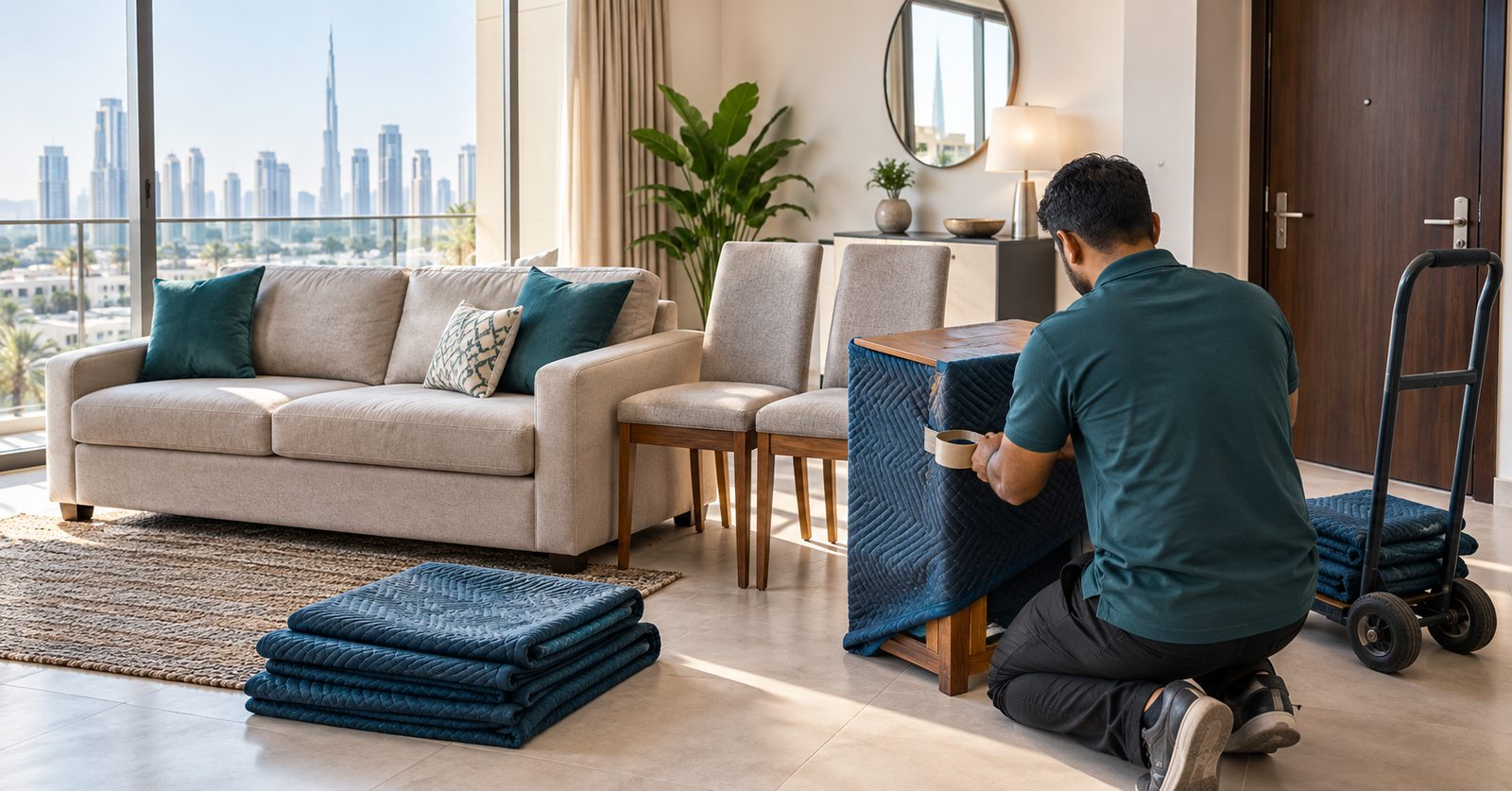
To sell your furniture through MS Used Furniture UAE, start by sending clear photos. Include your Dubai location and the date you need collection. Our selling process starts with photos, followed by an offer and pickup arrangements.
Before accepting, confirm the amount you will receive, any removal charges and the collection slot. Agree on the payment method too. Check that payment has arrived before the furniture is loaded.
If you are moving out, check building access early. A buyer’s available collection time must also work with your building’s removal rules.
Check Your Collection Deadline and Building Rules
Choose the last suitable collection date before your property handover. Leave room for a missed appointment or an access delay. Then ask building management what the collection team needs to enter.
For buildings covered by Downtown Dubai’s published community rules, bulk removals require permission at least 48 hours in advance. The permitted window is Monday to Saturday, 10:00 to 18:00, excluding public holidays.
These timings apply to properties covered by those rules. Confirm the requirements for your own address.
Ask about service lift bookings, loading access and any mover details security requires. Share the approved collection window with the buyer before booking a vehicle.
Check the Condition Before Requesting a Price
Inspect the parts that affect whether someone can use the furniture immediately. On a sofa, check the frame, cushion support and fabric. On a wardrobe, test the doors, drawers and hinges.
For a bed, check the frame joints, slats and centre support. Count the fittings. A missing support or damaged fixing needs to be mentioned before a buyer makes an offer.
Photograph stains, loose parts, swollen panels and damaged corners. Describe any known repairs or pest problems clearly.
Our guide to checking used furniture quality covers these inspection points. Recording the condition now gives both sides a clearer basis for discussing the price.
Clean, Photograph and Measure Each Item
Vacuum fabric surfaces and empty every drawer. Wipe hard surfaces with a suitable cleaner. Follow the care label and allow cleaned upholstery to dry before taking photos.
Take a full front view, a side view and close-ups of wear. Include the inside of storage furniture. Keep cushions and removable shelves visible so the buyer can see what is included.
Record three measurements: width, depth and height. Use centimetres throughout. For a sectional sofa, measure each section separately.
Also note which parts can be removed for transport. Check doorways, corridors and lift access. This helps the collection team decide whether dismantling is needed before arriving.
Send the Details Needed to Assess Your Furniture
Keep each item’s photos and description together. Include its approximate age, measurements, condition and included parts. If you do not know the material, say so.
For a bed, state whether the sale includes the mattress. For a dining set, give the exact chair count. For office furniture, list desk quantities and whether cabinets come with keys.
Add your neighbourhood, floor, lift access and collection deadline. Share the exact unit number privately once the visit is confirmed.
If you are clearing several rooms, provide one complete inventory. Ask which items the buyer is interested in. This avoids assuming that an offer covers everything shown in your photos.

Compare What You Will Actually Receive
Compare offers for the same items and collection conditions. An offer that includes dismantling and transport has a different value from one that leaves those costs to you.
Ask for the amount payable to you after any agreed deductions. Keep this figure separate from the headline offer.
If you also advertise privately, state your price in United Arab Emirates dirhams (AED). Compare similar used pieces by size, material, condition and included parts.
Treat advertised prices as asking prices. They do not confirm what a seller eventually received. A shop’s resale price also does not establish what it will offer to buy your item.
Set your minimum acceptable amount before negotiating. This gives you a clear basis for accepting or declining an offer.
Confirm the Final Agreement in Writing
Ask whether the photo-based offer needs an in-person inspection. If it does, establish when the final price will be agreed. Avoid treating an initial estimate as a confirmed sale.
Record the accepted items, included accessories, final price, payment method and collection window. Confirm who handles dismantling, lifting and transport.
For a household clearance, identify anything excluded from the offer. You may need separate arrangements for those pieces before handing over the property.
If the buyer revises the price, ask for the reason. Compare it with the condition details already shared. Agree on any change before dismantling or loading begins.
Prepare for Collection Without Losing Parts
Keep furniture assembled until any required inspection is complete. Once dismantling is agreed, photograph the assembled item and important connections.
Put screws, brackets and keys into a separate labelled bag for each piece. Keep matching shelves and cushions together.
Empty hidden storage spaces and check behind drawers for personal belongings. Clear the route to the exit. Arrange suitable protection for floors, doorframes and lift surfaces.
Before the team arrives, reconfirm the access slot with security. Have the buyer’s contact details ready. If the vehicle or crew changes, check whether management needs updated information.
Confirm Payment Before Loading
For a cash payment, count the money together. For a bank transfer, open your own banking app and check that the funds have reached your account.
A transfer screenshot from the buyer is not enough to confirm receipt.
Never share a banking password, personal identification number (PIN) or one-time password (OTP). Avoid buyer-supplied links asking for card details or a fee to release your payment.
Keep a written acknowledgement of the items sold, the amount received and the collection date. Once collection is complete, remove the listing and check that every agreed item has been taken.
Conclusion
The useful figure is the amount you keep after collection costs. The useful deadline is the pickup time your building allows. Confirm both before accepting an offer, then complete the handover once payment is verified.
For future sales, keep assembly instructions, spare fittings and purchase records with each item.
To discuss your current furniture, Contact MS Used Furniture UAE on +971 55 478 7336. Send photos, item details, your location and your collection deadline.
FAQs
Can I sell furniture without the purchase receipt?
You can still enquire. Provide clear photos and an honest approximate age. A receipt may support purchase details, but ask the buyer what information they require.
Should I repair furniture before selling it?
Discuss visible damage before paying for repairs. Tightening a loose screw may be practical. Major work needs a cost check against the likely offer.
Can I sell furniture that belongs to my landlord?
Only with the owner’s permission. Check the rental inventory first. Keep written permission if the landlord authorises you to arrange the sale.
Should I sell matching furniture together?
Request an offer for the complete set first. Consider separate sales if needed, while accounting for extra collections and any pieces left behind.
What if some furniture remains unsold?
Ask whether another buyer will consider it. For usable pieces, explore donation. Arrange suitable collection for damaged items and follow your building’s removal process.